
CREATOR’S JOURNEY PODCAST
With Thrive Braxton
Ep. 01. What You Need in Place Before You Grow
Use this space to introduce your podcast episode in a way that feels real and personal — just like you’re talking to a friend. Start by sharing what this episode is about. Are you offering practical tips? Telling a story from your own journey? Or sitting down with a guest to talk about something your audience cares about?
Let your listeners know why this topic matters. Is it something you struggled with and learned from? A question people keep asking you? A part of your story you’ve never shared before? This is your chance to connect and make them feel like they’re in the right place.
Be clear about what they’ll get from listening — maybe it's a fresh perspective, a bit of clarity, a small mindset shift, or even a plan they can try right away. Keep the tone casual and warm. Don’t be afraid to let your personality show.
If you’re featuring a guest, introduce them here. Mention who they are, why you invited them on, and what listeners can expect to learn from the conversation. You can also link to their site, social channels, or freebie so people can explore more after they listen.
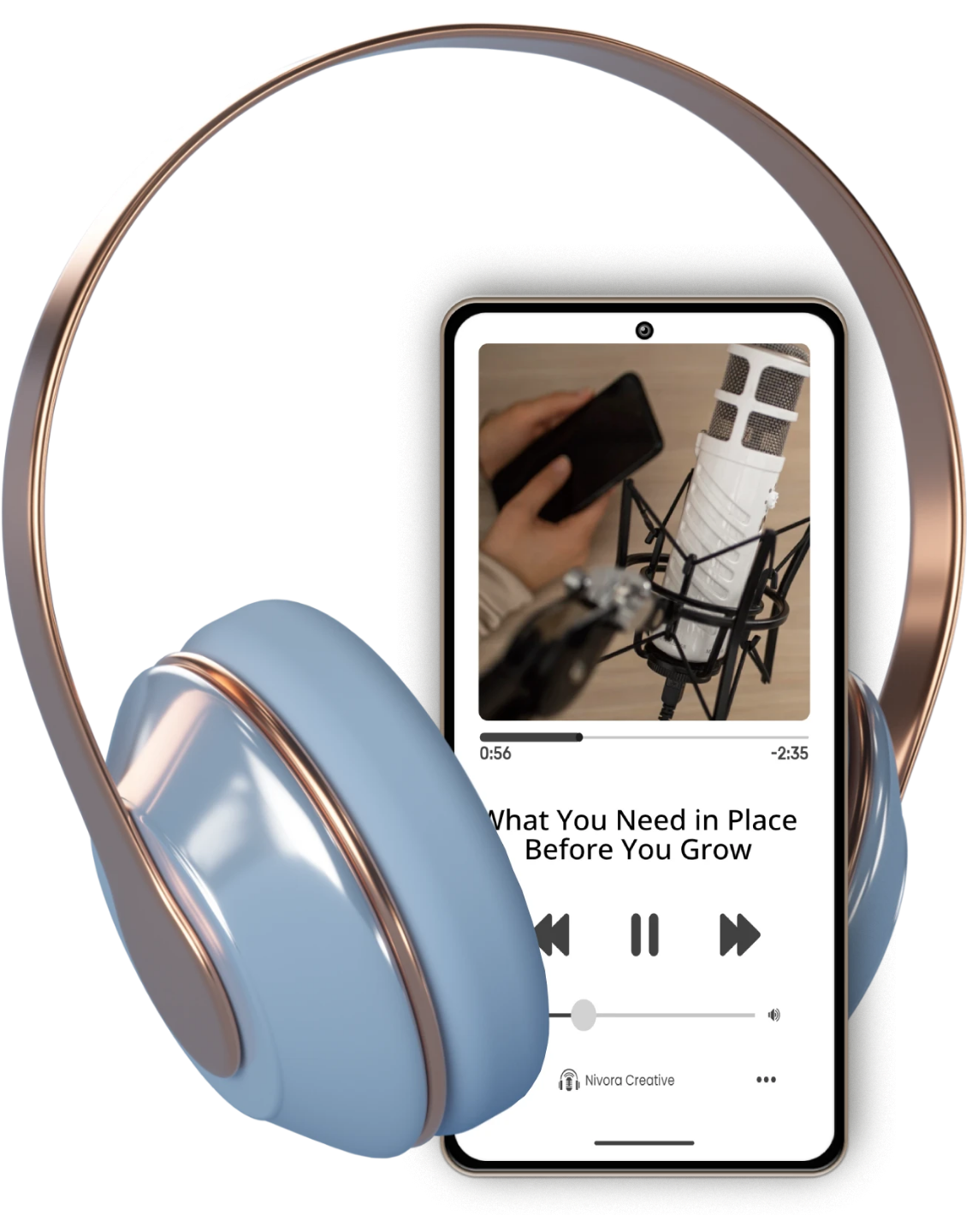



"An attention-grabbing excerpt or quote from the episode goes here"
Ep. 01. What You Need in Place Before You Grow With Thrive Braxton
Use this space to write a short, friendly intro for the episode. Let your audience know what this episode is about, who it’s meant for, and what kind of value or insight they’ll walk away with. Keep it warm, welcoming, and easy to read.
Highlights from this episode:
Use bullet points to list key takeaways or memorable moments from the episode. This helps potential listeners quickly scan and see if it’s what they’re looking for.
- Main idea or lesson covered.
- A favorite quote or insight from your guest (if you have one)
- A practical tip or action step shared in the episode
- Anything funny, relatable, or powerful that stood out
- A mindset shift or “aha” moment shared
- A tool, method, or strategy that actually works
- One thing you can do today to move forward
Links mentioned in this episode:
List any resources, freebies, tools, or websites mentioned during the episode. Make sure they’re easy to click and clearly labeled.
[Another Link or Guest’s Website]
[Freebie or Download Mentioned]
About the Host:
Hello! I’m [Your Name], [Your Title or Role].
Use this paragraph to briefly introduce yourself. Speak to your audience’s current challenges or goals — the things they’re likely struggling with or dreaming about. Then shift to how your podcast (or your program, offer, or story) can help them move forward. Keep it relatable, encouraging, and focused on them. Think of yourself as their guide, not the hero.
Social Media Links:
Link to your main platforms so listeners can stay connected and follow your content.
[Facebook] | [Instagram] | [LinkedIn] | [TikTok]
Thanks for Listening!
Thank your listeners for tuning in. Remind them how often you release new episodes, and invite them to share the podcast with others who might enjoy it too.
Subscribing to The Podcast
Let people know how to stay updated. You can direct them to a form, email list, or favorite podcast platform. Example: Want new episodes sent straight to your inbox? Drop your email below and we’ll keep you in the loop!
JOIN US
Newsletter Signup
Transcript
[Episode Title Here] With [Guest or Host Name]
Use this space to paste the full transcript of your podcast episode. This helps make your content more accessible, improves SEO, and gives readers a way to skim or read along if they prefer not to listen.
You can use automated tools to generate a draft, then clean it up for clarity. Be sure to include speaker names or cues if it’s a conversation, and format it for easy reading with short paragraphs.
Example:
[HOST]: Welcome back! Today we’re talking about what you need in place before your business really starts to grow.
[GUEST]: Thanks for having me! I’m excited to dig into this — systems are everything.
[Continue your transcript here...]

Download the Free Guide
Write a short, benefit-driven sentence here that tells people exactly what they’ll get and why it matters — focus on the result (like clarity, direction, or momentum) and who it's for (beginners, creators, entrepreneurs). Make it sound exciting, helpful, and worth exchanging their email for.
No spam, ever — just helpful stuff. These freebies are available for a limited time and may be updated or removed anytime.